
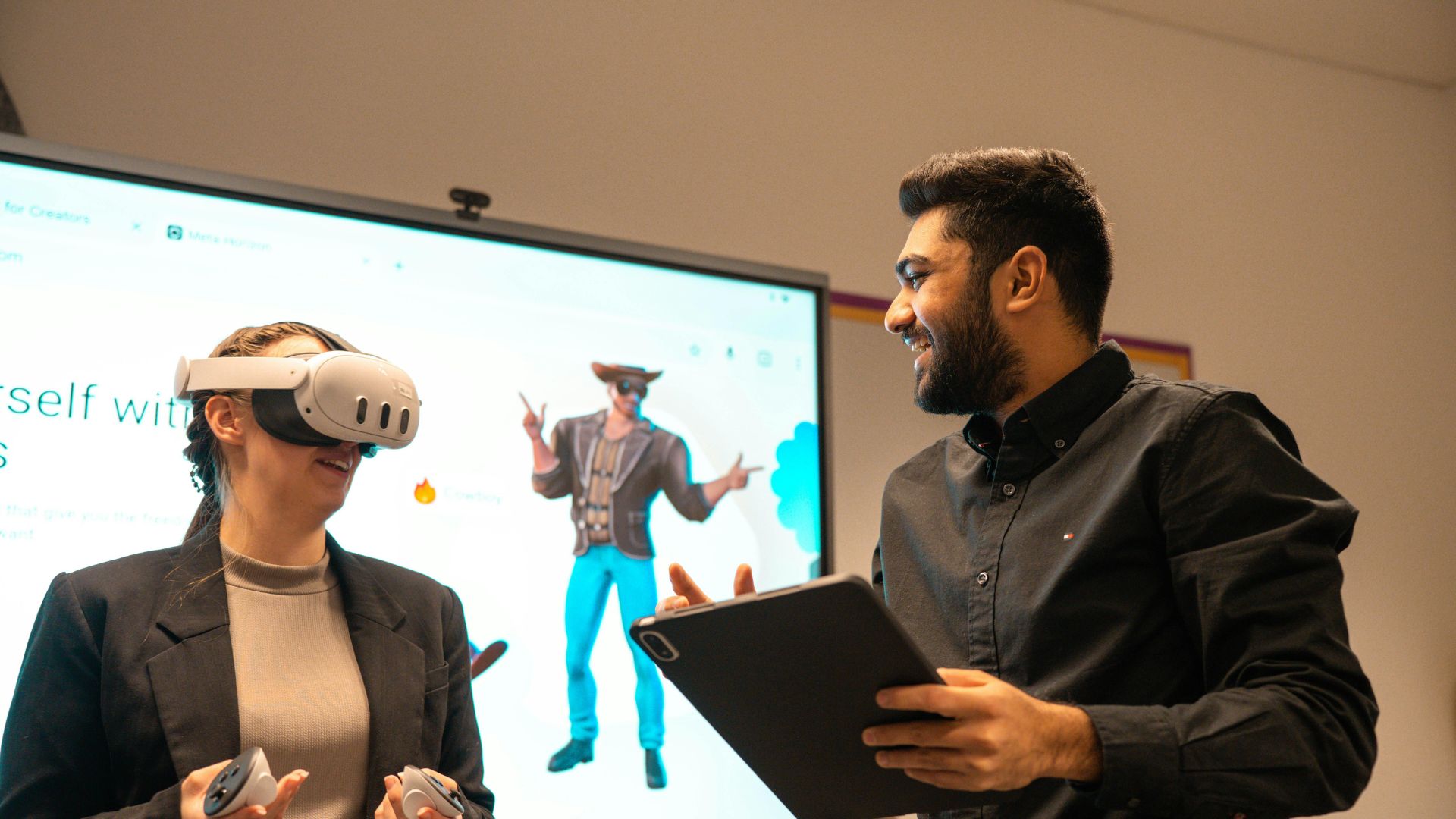
Imagine allowing a customer to see exactly how a new sofa looks in their living room without ever leaving their house. Augmented reality makes this possible by blending digital elements with the real physical world. This incredible technology is completely changing how brands connect with consumers online and in physical spaces.
You do not need a massive budget to start using interactive technology. Businesses of all sizes now use these tools to create highly memorable experiences. This guide covers thirteen practical, creative ways to add augmented reality to marketing campaigns. By implementing these strategies, brands can easily capture attention, keep users fully engaged, and ultimately drive more successful sales.
1. Let Customers Try Products at Home
One of the best ways to use augmented reality is to offer virtual try-on experiences. Customers often hesitate to buy items online because they cannot see or touch them in person. This technology solves this specific problem by allowing shoppers to visualize products in their own space. For example, furniture stores let buyers see how a large chair fits into a specific room. Make-up brands let users see different lipstick shades on their faces through a simple phone camera.
This interactive approach gives shoppers much more confidence to make a purchase. When people can see exactly how a product looks on them or in their home, they are significantly less likely to return the item later. It creates a fun, completely risk-free shopping environment. Implementing a try-before-you-buy feature directly on a storefront or mobile app helps increase overall conversion rates. By removing the guesswork from the buying process, businesses leave customers feeling completely satisfied and highly secure in their final purchasing decisions.
2. Create Interactive Packaging
Product packaging no longer has to be static, flat, and boring. By adding a digital trigger, a simple cardboard box can easily transform into an exciting, interactive experience. When a buyer points their smartphone camera at the packaging, they might see a 3D character pop up, a recipe video start playing, or a special discount code appear right on the screen. This makes unboxing the item a highly memorable event that people naturally want to share with their friends online.
Creating this kind of experience requires good planning and the right technical skills. You might want to hire a professional web design company to help build the digital assets and ensure the landing pages work smoothly when scanned. A great digital agency knows exactly how to link the physical packaging to a fast, mobile-friendly website. Interactive packaging not only entertains the buyer but also gives brands a fantastic opportunity to share their story, provide extra value, and stand out on crowded retail shelves.
3. Bring Store Displays to Life
Retail stores can use interactive elements to completely change how window displays and in-store signs look. Instead of just setting up plastic mannequins or printed posters, stores can invite shoppers to scan a barcode on the glass window. Suddenly, the display might show a virtual fashion show, provide detailed information about the clothes, or offer a special digital coupon for walking inside. It turns a simple walk past a store into an active, highly engaging activity.
This strategy is highly effective for grabbing the attention of people walking by the shop. Traditional signs often get ignored because people are busy looking at their mobile phones. By giving them a strong reason to use their phones to interact with the physical display, stores can dramatically increase foot traffic. It also gives the brand a very modern and highly innovative image. When physical retail stores blend smoothly with digital technology, shopping becomes a much more exciting activity for everyone involved.
4. Boost Advertising with Scannable Print
Print advertising like magazine ads, newspaper spreads, and large billboards are still very useful tools. Augmented reality makes these printed materials even better by adding an invisible digital layer. Readers can simply scan a printed ad with their smartphone to watch a promotional video, play a quick mini-game, or view a detailed 3D model of the product. This successfully bridges the gap between old-school advertising methods and modern digital marketing strategies.
Adding this technology to print ads also makes them highly measurable, which is a huge advantage for marketers everywhere. Just like you track clicks and conversions during standard PPC Campaigns, you can track exactly how many people scan the print ad and interact with the 3D content. This provides highly valuable data on customer behavior and helps businesses easily see which ads work best. By turning a flat piece of paper into an engaging digital gateway, brands can get much higher returns on their print advertising investments.
5. Host Virtual Events and Tours
Digital technology allows businesses to host exciting events that people can attend from anywhere in the world. Instead of paying for expensive plane tickets and hotel rooms, attendees can use their smartphones or tablets to project a virtual stage or a product demonstration right onto their living room table. Car dealerships can easily offer virtual tours of a new vehicle’s interior. Real estate agents can walk buyers through a house that has not even been built yet.
Virtual events provide a massive level of convenience and accessibility for the consumer. People love the ability to explore new products or interesting places at their own pace and strictly on their own schedule. This approach completely removes geographical barriers, allowing brands to reach a massive global audience effortlessly. Furthermore, virtual tours keep potential buyers highly engaged for a longer time. The longer someone spends interacting with a 3D tour, the more likely they are to develop a strong interest in the actual product or property.
6. Make Social Media Filters
Social media platforms have made interactive camera technology incredibly popular through custom filters and lenses. Brands can easily create their own branded filters for platforms like Instagram, Snapchat, and TikTok. Users can apply these fun filters to their personal photos and videos, perhaps wearing a virtual branded hat or interacting with a humorous 3D mascot. When users share these pictures, they spread the brand’s promotional message to all their followers automatically.
Branded filters are currently among the most effective Digital Marketing Tools available because they highly encourage user-generated content. People naturally want to share fun, humorous, or aesthetically pleasing content with their personal network. This creates a massive ripple effect of organic brand awareness. Creating a filter is often very cost-effective, and if a filter suddenly goes viral, millions of people might see and interact with the brand in a matter of days. It is a brilliant way to connect closely with younger audiences.
7. Provide Helpful Navigation in Stores
Navigating a massive retail store, a sprawling shopping mall, or a large airport can be very frustrating for visitors. Interactive mapping can solve this common problem by providing helpful indoor navigation. Shoppers can hold up their mobile phones, and digital arrows will appear directly on the screen, guiding them right down the aisles to the exact product they want to buy. This technology works very much like a car GPS, but it is designed specifically for complex indoor spaces.
Helping customers find exactly what they need quickly greatly improves their overall shopping experience. Frustrated shoppers often leave the building without buying anything, but easy navigation keeps them relaxed and highly focused. Stores can also use this technology to highlight special promotions along the virtual route. For instance, as a shopper follows the digital arrows to the milk aisle, a pop-up might alert them to a sale on cookies nearby. This boosts customer satisfaction while cleverly increasing daily sales.
8. Enhance Business Cards and Brochures
Traditional business cards and simple paper brochures often end up thrown in the trash because they do not stand out. You can change this completely by adding scannable digital features to the paper. When a potential client scans your business card, a 3D video introduction or a full digital portfolio can pop up directly on their phone screen. A basic informational brochure can quickly transform into an interactive presentation that explains complex services in a very simple way.
Upgrading physical networking materials makes a powerful, lasting first impression on new contacts. It proves that the business is forward-thinking and technologically advanced. If you need help creating the specific digital landing page for these materials, searching for a web design company near me is a highly recommended first step. Local experts can help build the digital assets that appear when the card is scanned. This unforgettable digital experience ensures that potential clients remember the brand long after the networking event ends.
9. Gamify the Shopping Experience
Adding fun game elements to marketing campaigns is a fantastic way to increase audience engagement. Digital technology allows brands to create exciting scavenger hunts or interactive games scattered out in the real world. For example, a restaurant could hide virtual gold tokens around the city. When customers use the restaurant’s app to find and collect these digital tokens, they win a free meal or a special discount. This turns a standard promotion into a highly engaging activity.
Gamification works beautifully because it taps into the natural human desire for friendly competition and real rewards. People genuinely love playing games, especially when they can win actual physical prizes. This strategy drives heavy foot traffic to specific retail locations and keeps customers interacting with the brand’s mobile app for much longer periods. Creating a digital game generates a lot of buzz and excitement, making the entire marketing campaign feel like a highly anticipated event rather than just an advertisement.
10. Show Product Details in 3D
Sometimes, reading a long, technical list of product specifications gets boring and highly confusing. Interactive technology allows businesses to show these exact details visually in a three-dimensional digital space. If a customer is looking at a new, expensive coffee maker, they can scan it to see a 3D animation of how the internal parts actually work. Tech companies use this trick to show the hidden layers of a computer, making complex machinery very easy to understand for the average consumer.
Visualizing complex information in 3D helps customers grasp the value and quality of a product instantly. They do not have to guess how a specific feature works because they can see it moving right in front of them. This high level of transparency builds incredible trust between the cautious buyer and the brand. When shoppers understand exactly what they are buying and how it functions, they feel much more comfortable spending their money. It is a highly effective, visual educational tool.
11. Train Users with Virtual Manuals
No one enjoys reading thick, complicated paper instruction manuals. Innovative brands can replace traditional paper booklets with interactive, highly visual digital guides. When a customer buys a new piece of furniture that needs complex assembly, they can point their phone at the wooden pieces. The mobile app will highlight exactly which screw goes into which hole, using glowing digital arrows and animations. It makes the entire setup process incredibly simple and completely stress-free.
Offering virtual training manuals is a brilliant post-purchase marketing strategy. It proves that a brand genuinely cares about the customer experience even long after the sale is complete. Customers who have an easy time setting up and using a product are far more likely to leave highly positive reviews and recommend the brand to their friends. By reducing frustration and confusion, these interactive digital manuals help create fiercely loyal customers who appreciate the brand’s dedication to helpful service.
12. Create Virtual Pop-Up Shops
Physical pop-up shops are very popular, but they require renting expensive retail space and hiring extra staff. Interactive technology allows brands to launch completely virtual pop-up shops anywhere in the world for a tiny fraction of the cost. A brand can place a simple QR code on a park bench or a city bus stop. When scanned, a full 3D storefront appears on the user’s phone screen, allowing them to browse exclusive merchandise and make immediate purchases.
Virtual pop-ups generate a massive sense of urgency and exclusivity for shoppers. Brands can easily make these digital stores available for only a few short days or restrict them strictly to specific geographic locations. This highly encourages fans to seek out the locations and buy products before they disappear forever. It is an incredibly innovative way to launch brand new products, test different consumer markets, and generate excitement without the high overhead costs associated with opening physical retail locations.
13. Send Interactive Direct Mail
Direct mail marketing is making a strong comeback, and digital features make it even more powerful. Instead of sending a plain paper postcard to a customer’s home, brands can send mailers that come alive when scanned. A car company could send a postcard that, when viewed through a phone, shows a 3D model of a new car driving right across the kitchen table. A travel agency could easily show a 3D beach scene to entice potential vacationers.
This unique approach drastically increases the response rate of traditional paper mail campaigns. Most standard junk mail gets thrown into the recycling bin without a second glance. However, when a printed envelope promises a fun digital experience, people are much more curious to open it and interact. Interactive direct mail effectively combines the personal touch of a physical letter with the engaging, dynamic features of modern technology. It ensures the marketing message is seen, enjoyed, and clearly remembered.
Conclusion
Augmented reality is no longer just a futuristic concept from science fiction movies. It is a highly practical, accessible tool that brands of all sizes can easily use to create completely unforgettable campaigns. From interactive packaging and social media filters to virtual try-ons and 3D product manuals, the marketing possibilities are truly endless. By blending the physical world with engaging digital elements, businesses can reliably capture consumer attention in ways that standard, flat advertisements simply cannot match.
Starting a digital interactive campaign begins with understanding exactly what the target audience finds valuable and highly entertaining. Whether the primary goal is to make shopping easier, educate cautious buyers, or simply provide a fun mobile game, these tools deliver excellent results. Embracing these highly innovative strategies allows businesses to stand out clearly from competitors, build much stronger connections with buyers, and ultimately drive more successful sales. Take the first step today and explore how this incredible technology can transform future marketing efforts.
