
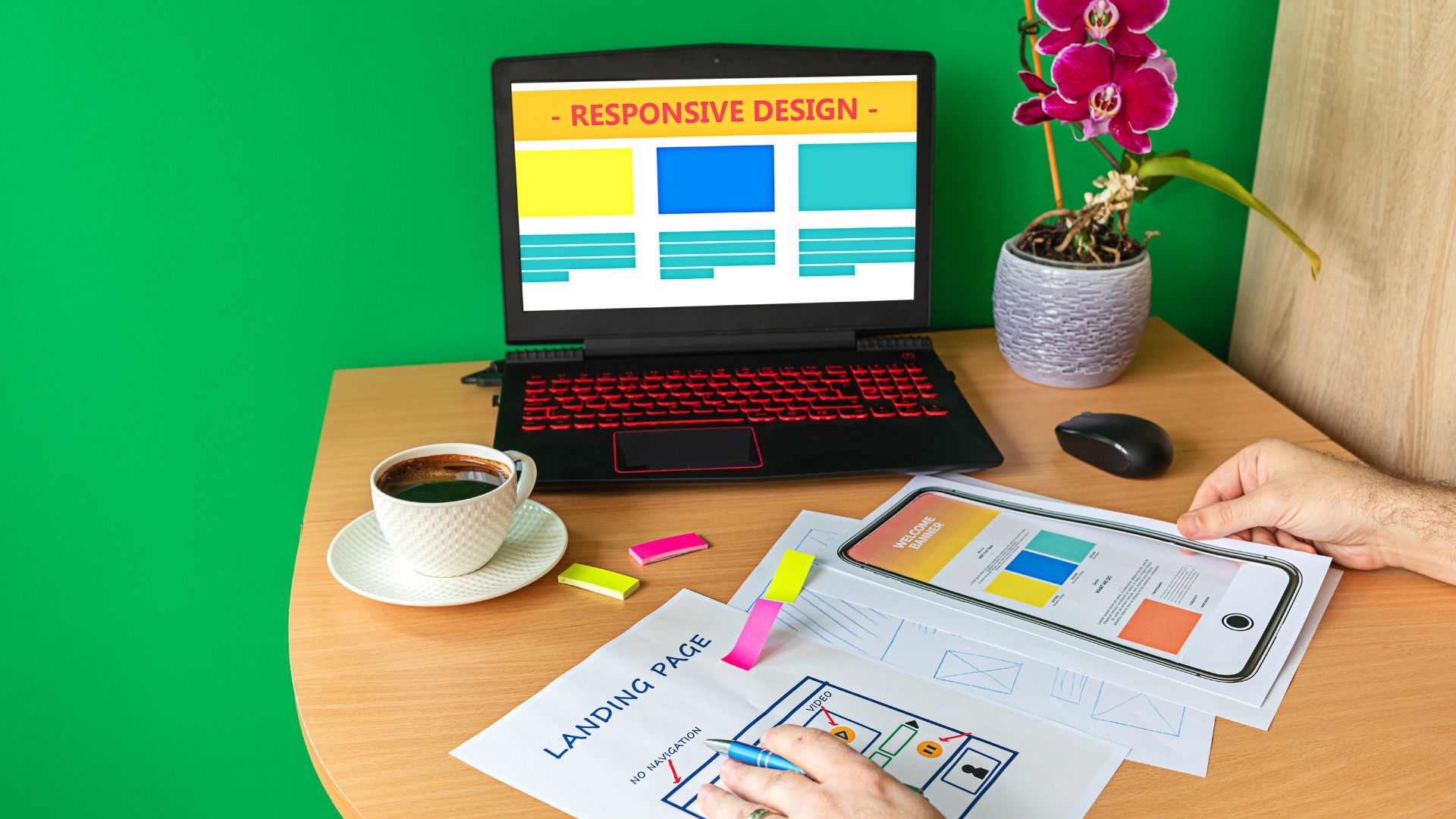
A landing page has one job. It needs to guide visitors toward one clear action. That action may be filling out a form, booking a call, downloading a guide, or buying a product. If the page feels confusing, crowded, or slow, many visitors will leave before taking that step. That is why smart landing page design matters so much.
A strong landing page does not need flashy effects or too many words. It needs focus, clarity, and a layout that makes the next step feel easy. Good design helps visitors understand the offer fast and trust it enough to act. Below are 13 practical tips that can help create landing pages that work better and convert more often.
1. Start With One Clear Goal
Every effective landing page begins with a single purpose. If a page tries to sell a product, grow an email list, promote a webinar, and collect survey answers all at once, visitors can get lost. Too many choices make people pause, and that pause often leads to an exit. A landing page should be built around one action only. This gives the page a clear direction and makes the visitor journey much easier to follow.
A focused goal also makes design decisions simpler. The headline, image, button, and supporting text should all point toward the same result. If the purpose is lead generation, every part of the page should support that goal. If the purpose is sales, the message should move the visitor toward purchase. Clarity always performs better than clutter. When a landing page knows exactly what it wants the visitor to do, the chance of conversion becomes much higher.
2. Write a Headline That Explains the Value Fast
The headline is often the first thing a visitor notices. It needs to explain the offer quickly and clearly. A vague headline may sound clever, but it often fails to tell people why the page matters. Good landing page headlines are direct. They show the main benefit, solve a clear problem, or explain what the visitor will get. Strong headlines reduce confusion and help people stay on the page longer.
This is one reason many businesses work with a web design agency when improving landing page performance. Design and messaging work together, and the headline sits at the center of that connection. A strong headline should match the ad, email, or link that brought the visitor there. That message match builds trust right away. When visitors feel they landed in the right place, they are more likely to keep reading and take the next step.
3. Keep the Layout Clean and Easy to Scan
Visitors do not read every word in order. Most people scan first. They look for headlines, short blocks of text, buttons, images, and clear sections. A cluttered page makes this harder. If too many colors, shapes, pop-ups, or text blocks compete for attention, visitors may feel overwhelmed. A clean layout makes the message easier to understand and keeps the eye moving in the right direction.
White space is very useful here. It gives content room to breathe and helps important elements stand out. Short paragraphs, simple sections, and a clear visual path can improve the page a lot. Good landing page design is not about filling every inch of space. It is about helping visitors move from interest to action without stress. A page that feels calm and organized often performs better than one packed with too many design elements.
4. Match the Page to the Traffic Source
A landing page should feel connected to the place the visitor came from. If someone clicks an ad about a free demo and lands on a page about a full pricing plan, trust drops immediately. The message, tone, and offer need to match the source. This is especially important when the page is part of a Paid Advertising Strategy. Paid traffic costs money, so every mismatch can waste budget and hurt conversion rates.
Message match includes more than just the headline. The design, images, and call to action should also support what the visitor expected to see. If an ad promises a discount, the landing page should show that discount clearly. If an email offers a free guide, the page should focus on that guide and nothing else. When the transition feels smooth, visitors feel confident. That confidence can make a major difference in landing page results.
5. Use Strong Visual Hierarchy
Visual hierarchy means showing people what matters most first. Not every element on a landing page should fight for equal attention. Some parts need to stand out more than others. The headline should be easier to notice than the body text. The call-to-action button should stand out from the background. Important benefits should appear before smaller details. This structure helps guide attention in a natural way.
Size, color, contrast, spacing, and position all affect visual hierarchy. A bright button in the right place can pull attention better than a dull one hidden in a crowded section. A bold heading can help visitors understand the page faster. Good hierarchy is not random. It is built with intention. When the most important parts of a landing page are easy to see first, visitors can understand the offer faster and act with less hesitation.
6. Focus on Benefits More Than Features
Many landing pages spend too much time listing product features. Features matter, but benefits matter more. Visitors want to know how the offer will help them, save them time, solve a problem, or improve a result. Instead of only saying what something is, the page should explain why it matters. Benefit-driven writing speaks to real needs and makes the offer feel more useful.
This approach is essential when building a High-Converting Website because conversion usually depends on relevance. A visitor may not care that a service includes five steps, advanced tools, or custom dashboards unless the page clearly explains the outcome. Better leads, faster results, lower costs, or easier processes are the things that create interest. A landing page becomes stronger when it turns features into simple, human benefits that visitors can quickly understand.
7. Make the Call to Action Impossible to Miss
A landing page without a strong call to action will struggle to convert. The call to action tells visitors what to do next. It should be clear, visible, and easy to understand. Weak button text like “Submit” or “Click Here” often feels dull and unhelpful. Better options explain the value of the action, such as “Get the Free Guide,” “Start the Free Trial,” or “Book a Demo Today.”
Placement matters too. The main button should appear high enough on the page that visitors do not need to search for it. On longer pages, repeating the call to action in a few smart places can help. The button color should stand out, but it should still fit the overall design. A strong call to action removes doubt. It gives people a simple next step and makes the page feel easier to act on.
8. Build Trust With Proof and Credibility
Many visitors arrive interested but cautious. They may like the offer, but still feel unsure. Trust elements can reduce that doubt. Reviews, testimonials, client logos, star ratings, certifications, awards, and case study highlights can all help. These details show that other people or businesses had a good experience. Proof makes the offer feel more real and lowers the fear of making the wrong choice.
This is especially important for service-based businesses competing with search intent like web design agency near me. In those cases, trust often shapes the decision as much as price or features. A visitor comparing several options may choose the page that feels more credible and transparent. Social proof should be specific and easy to read. Real names, real outcomes, and clear details often work better than generic praise. Trust is a major part of conversion, and proof helps build it.
9. Reduce Form Friction
Forms are often the final step before conversion, but they can also become the biggest barrier. If a form asks for too much information too soon, visitors may leave. Long forms feel like work. They can raise privacy concerns or make the offer seem less appealing. In many cases, fewer fields lead to better completion rates. Only ask for the information that is truly needed at that stage.
Clear labels and a clean layout also help. People should know exactly what to enter and why. Error messages should be simple and helpful. If a phone number is optional, say so. If a form takes less than a minute, that can also reduce hesitation. Good landing page design removes friction where possible. A smooth form experience makes the final step feel easier, and that often leads to more conversions.
10. Optimize for Mobile First
A large share of landing page traffic now comes from mobile devices. If a page looks great on desktop but feels awkward on a phone, many visitors will leave quickly. Mobile users need fast loading, readable text, easy scrolling, and buttons that are simple to tap. A page should not force users to pinch, zoom, or struggle through crowded layouts. Mobile design is no longer optional. It is a core part of landing page success.
A mobile-friendly page should keep important content near the top and make the call to action easy to reach. Forms should be short and simple on smaller screens. Images should load properly and not push key content too far down the page. Testing on different devices helps catch problems early. When a landing page works smoothly on mobile, it becomes more usable for a much larger group of visitors.
11. Improve Loading Speed
Speed affects both user experience and conversion rates. If a landing page takes too long to load, visitors may leave before they even see the offer. Slow pages can waste ad spend, reduce engagement, and hurt trust. People expect pages to open quickly. Even a small delay can create frustration, especially on mobile connections or busy networks.
Large images, unnecessary scripts, and heavy design elements often cause speed problems. Compressing files, reducing clutter, and using efficient page builds can help a lot. A fast page feels smoother and more professional. It also helps visitors stay focused on the message instead of waiting for content to appear. Speed may seem technical, but it has a very real effect on results. Faster landing pages often convert better because they respect the visitor’s time.
12. Test Different Elements Regularly
Even a good landing page can become better through testing. Small changes can create big results over time. A different headline, image, button color, form length, or page layout may lead to more conversions. Testing helps remove guesswork and shows what real visitors respond to best. Instead of relying on opinions alone, testing makes it possible to improve pages using actual behavior data.
A/B testing is one of the most useful methods for this. It compares two versions of a page or one specific element at a time. The key is to test with purpose. Changing too many things at once makes it hard to know what caused the result. Steady testing helps build stronger pages over time. Landing page design is not something to set once and forget. Ongoing improvement is often where the best gains happen.
13. Remove Anything That Distracts From the Main Action
Every part of a landing page should support the main goal. If something does not help move the visitor toward that goal, it may be hurting the page. Extra navigation menus, unrelated links, too many offers, or unnecessary design effects can distract attention. A landing page is not the same as a homepage. It does not need to show everything. It needs to guide one focused action clearly.
This often means making tough choices. Removing extra options can feel uncomfortable, but it usually helps. Fewer distractions make decisions easier. Visitors should not have to wonder where to click or what matters most. Simple pages with strong focus often outperform pages filled with extra features. The best landing pages are not busy. They are clear, useful, and built to guide attention in one direction from start to finish.
Conclusion
Effective landing pages do not succeed by accident. They work because each part supports a clear goal, from the headline and layout to the form and final button. Strong design, simple language, fast loading, and a focused message all help turn more visitors into leads or customers. By applying these 13 tips, landing pages can become clearer, more persuasive, and much better at driving action.
