
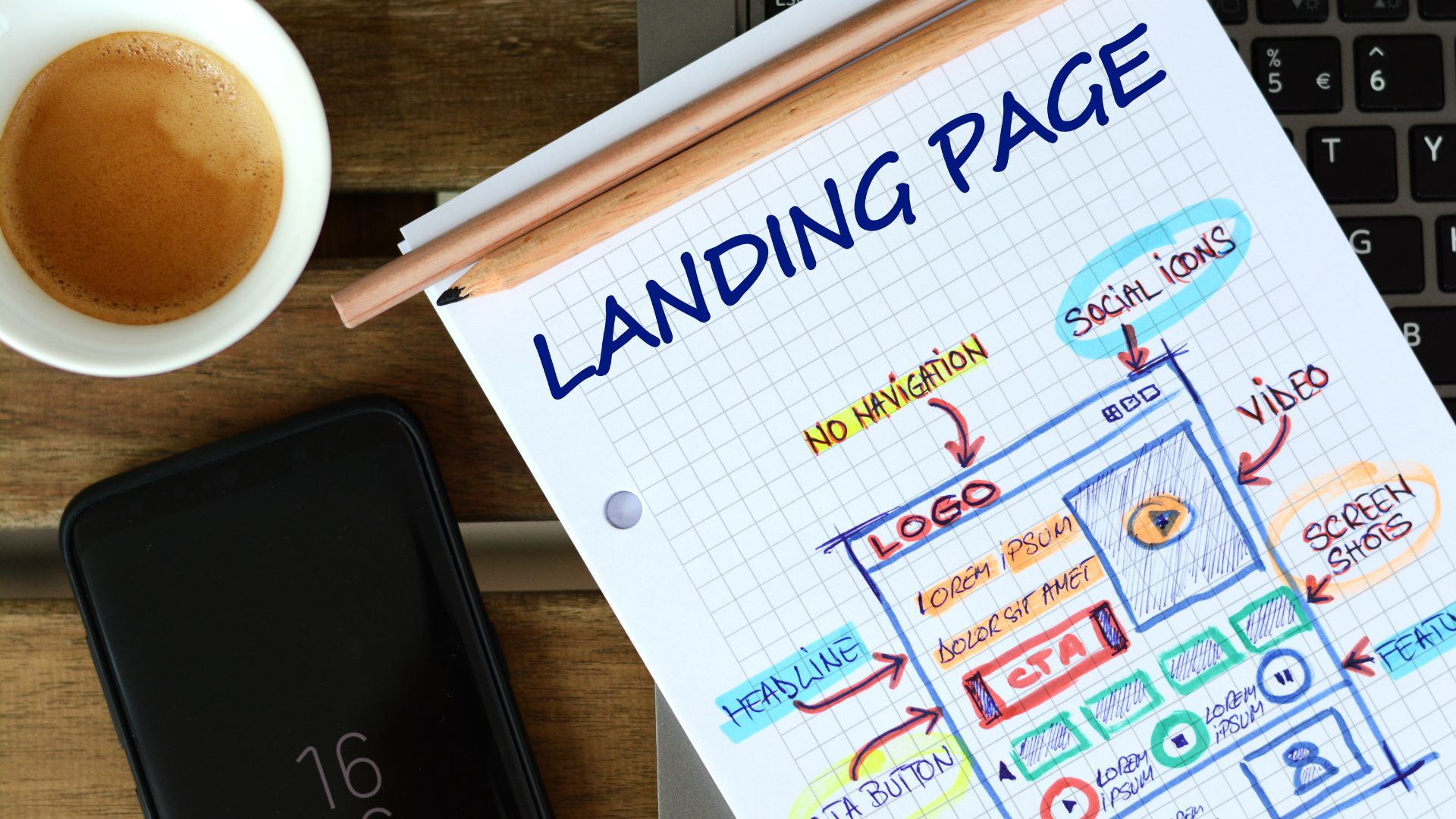
In the world of pay-per-click (PPC) advertising, campaigns are often judged by metrics like click-through rates and cost per click. While getting users to click on an ad is a crucial first step, it is only half the battle. The real challenge, and where many campaigns falter, is what happens after the click. Sending valuable, paid traffic to a generic homepage is one of the most common and costly mistakes in digital advertising. This is where dedicated landing pages come into play. A landing page is a standalone web page created specifically for a marketing or advertising campaign.
The purpose of a landing page is singular: to convert visitors into leads or customers. Unlike a website’s homepage, which is designed for exploration and has dozens of potential distractions, a landing page is hyper-focused on a single goal. It continues the conversation started by the ad and guides the user toward one specific action. Understanding the importance of this focused approach is fundamental to maximizing the return on investment (ROI) of any PPC campaign. This guide explores ten key reasons why dedicated landing pages are not just a nice-to-have, but an absolute necessity for PPC success.
1. Increased Conversion Rates
The primary reason to use a dedicated landing page is to boost conversions. When a user clicks on a PPC ad, they have a specific intent. They are looking for a solution to a problem or an answer to a question. Sending them to a cluttered homepage forces them to search for the information they need, adding friction and frustration to their experience. Many users will simply give up and leave. A landing page, however, is designed to match the message of the ad perfectly. It presents the user with exactly what they were promised, with a clear and direct path to take the next step.
This laser-like focus on a single call-to-action (CTA) eliminates distractions. There are no navigation bars leading to other parts of the site, no links to blog posts, and no competing offers. The entire page—the headline, the copy, the images, and the form—is unified around one goal, whether that is signing up for a webinar, downloading an ebook, or making a purchase. By removing decision fatigue and guiding the user seamlessly toward the desired action, landing pages naturally lead to significantly higher conversion rates compared to general-purpose web pages. This means more leads and sales from the same amount of ad spend.
2. Improved Quality Score
Search engine platforms like Google Ads use a metric called Quality Score to determine the relevance and quality of your ads, keywords, and landing pages. A higher Quality Score is rewarded with lower costs per click and better ad placements. One of the most important components of Quality Score is the landing page experience. Google wants to ensure that users who click on ads are sent to pages that are relevant, useful, and easy to navigate. Sending traffic from a highly specific ad to a generic homepage often results in a poor landing page experience score, which harms your entire campaign. Working with a professional seo agency can help optimize these factors for better performance.
A dedicated landing page, by its very nature, is designed to be highly relevant to the ad that leads to it. The messaging, keywords, and offer on the landing page should be a direct extension of the ad copy. This strong “message match” signals to Google that you are providing a coherent and helpful experience for the user. As a result, your Quality Score improves. This creates a positive feedback loop: a higher Quality Score leads to lower costs, which allows you to get more clicks for your budget, which in turn gives you more opportunities to convert visitors on your highly optimized landing page.
3. Enhanced A/B Testing Capabilities
Continuous improvement is the cornerstone of a successful PPC campaign. The ability to test different elements of your campaign allows you to identify what works best and optimize for higher performance. Landing pages provide the perfect controlled environment for A/B testing. You can create two or more variations of a landing page, changing a single element on each version—such as the headline, the call-to-action button color, the main image, or the length of the form—and then split your ad traffic between them. This allows you to gather data on which version converts better.
This level of granular testing is nearly impossible to conduct effectively on a homepage. A homepage has too many variables and is designed to serve too many different audiences, making it difficult to isolate the impact of a single change. With a landing page, you can methodically test and refine every component to squeeze the maximum number of conversions out of your traffic. Over time, these incremental improvements can lead to massive gains in your campaign’s overall ROI. The insights gained from testing also provide valuable information about your target audience’s preferences and motivations.
4. Better Ad-to-Page Message Match
Message match is the concept of aligning the message in your advertisement with the message on the page the user lands on after clicking. When a user clicks an ad for “50% off running shoes,” they expect to be taken to a page that prominently features running shoes at a 50% discount. If they land on a homepage that shows all types of shoes at full price, a disconnect occurs. This breakdown in the user journey creates confusion and erodes trust, causing most users to immediately hit the “back” button. Strong message match is a core principle of effective Digital Marketing.
Dedicated landing pages are built to ensure perfect message match. You can create a unique landing page for each ad group in your PPC campaign, tailoring the headline, content, and imagery to mirror the specific ad that the user clicked. This creates a seamless and reassuring experience. The user immediately sees that they are in the right place and that the promise made in the ad will be fulfilled. This consistency is not only good for the user experience but is also a key factor that platforms like Google use to determine your ad’s relevance and Quality Score.
5. Deeper Audience Insights
A landing page is a powerful data-gathering tool. Because each landing page is tied to a specific campaign, ad group, or keyword, the behavior of visitors on that page provides incredibly specific insights about that particular audience segment. By analyzing metrics like bounce rate, time on page, and conversion rate for different landing pages, you can learn which offers, messages, and designs resonate most with different types of customers. For example, you might discover that an audience responding to a keyword about “affordable solutions” converts better on a landing page that emphasizes price, while an audience searching for “premium services” responds to a page that highlights quality and testimonials.
These insights are invaluable for refining not just your PPC campaigns, but your entire marketing strategy. The data collected from landing page performance can inform your product development, your content marketing, and even your sales process. You can use tools like heatmaps to see where users are clicking and how far they scroll, giving you a visual representation of their engagement. This level of granular feedback is difficult to obtain from a general website, where traffic from various sources is mixed together. Landing pages allow you to isolate variables and truly understand the intent and behavior of your target audiences.
6. Increased Focus on a Single Goal
A typical website homepage is a jack-of-all-trades. It needs to serve new visitors, returning customers, potential job applicants, and partners. It has links to the “About Us” page, the blog, customer support, career opportunities, and multiple product or service categories. While this is necessary for general navigation, it is terrible for conversions. Each link is a potential “leak” in your conversion funnel, giving the user an opportunity to wander away from the action you want them to take. Every choice you present to a user increases their cognitive load and makes it less likely they will make any choice at all.
A landing page, in contrast, is a master of one. Its design is minimalist and single-minded. The entire purpose of the page is to persuade the visitor to complete one specific action. This clarity is its greatest strength. By removing all distractions and focusing every element on the call-to-action, you create a powerful, persuasive argument that guides the user toward a single decision point. This is a fundamental concept in both user experience design and a well-thought-out SEO Strategy. This focus dramatically increases the likelihood of conversion and ensures that the traffic you paid for is being used as effectively as possible.
7. Simple and Quick to Create
While building a full website can be a complex and time-consuming project, creating a landing page is a much simpler and faster process. There are numerous landing page builder platforms available that offer drag-and-drop editors and pre-built templates. These tools allow marketers to design, build, and launch a professional-looking landing page in a matter of hours, without needing any coding skills or assistance from a web development team. This agility is a massive advantage in the fast-paced world of PPC advertising.
This speed allows you to be nimble and responsive. If you want to test a new offer, launch a campaign for a seasonal promotion, or target a new audience segment, you can spin up a dedicated landing page quickly. You are not constrained by the rigid structure or slow development cycles of your main website. This empowers marketing teams to take control of their campaigns and make changes on the fly based on performance data. The ability to quickly create and modify landing pages is essential for staying competitive and continuously optimizing your PPC efforts.
8. Improved Brand Awareness
While the primary goal of a landing page is conversion, it also serves as a valuable touchpoint for building brand awareness and reinforcing your brand identity. When a user clicks on your ad and arrives at a well-designed landing page, it is an opportunity to make a strong first impression. You can use your brand’s colors, logo, and tone of voice to create a consistent and professional experience. Even if a visitor does not convert on their first visit, a positive experience with a clean, trustworthy-looking page can leave a lasting impression. When a business is local, a quick search for a local “seo agency near me” might lead to a landing page that solidifies a brand’s community presence.
You can also tailor the branding on different landing pages to appeal to different audience segments. For example, a landing page for a corporate audience might have a more formal and professional design, while a page for a younger demographic might be more vibrant and casual. This flexibility allows you to present the most relevant version of your brand to each target group. Each positive interaction, whether it leads to an immediate conversion or not, contributes to the user’s overall perception of your brand, making them more likely to remember you and convert in the future.
9. Easier to Track and Analyze
Because a landing page is a standalone page created for a specific campaign, it is much easier to track its performance and analyze the results. You can set up specific conversion goals in your analytics platform for each landing page. This allows you to see exactly how many people who arrived from a particular ad campaign completed the desired action. This clean data attribution is crucial for calculating the true ROI of your PPC efforts. You can clearly see which campaigns, ad groups, and keywords are driving conversions and which are not.
This clear tracking is more difficult on a general website, where conversions might happen on multiple different pages and traffic comes from various sources like organic search, social media, and direct visits. It becomes harder to isolate the impact of your PPC campaign. With dedicated landing pages, the data is unambiguous. This allows you to make data-driven decisions about your budget allocation, bidding strategies, and ad copy. You can confidently double down on what is working and cut spending on what is not, leading to a more efficient and profitable advertising strategy.
10. Better User Experience
At its core, a dedicated landing page provides a superior user experience. It respects the user’s time and intent. When someone clicks an ad, they are looking for a quick and easy solution. A landing page delivers that by providing a clear, relevant, and frictionless path to their goal. The content is scannable, the value proposition is obvious, and the next step is unmistakable. This simplicity and clarity are what users want. They do not want to hunt for information or navigate a complex site map.
Providing a positive user experience is not just good for conversion rates; it is good for your brand’s reputation. A user who has a frustrating experience is unlikely to return, even if they need your product or service in the future. Conversely, a user who has a seamless and helpful experience is more likely to convert, remember your brand favorably, and even recommend you to others. In the competitive digital marketplace, user experience is a key differentiator. Landing pages are a fundamental tool for ensuring that every paid click results in a positive and productive interaction.
Conclusion
The evidence is clear: dedicated landing pages are not an optional extra in PPC advertising; they are a critical component for success. Sending paid traffic to your homepage is like pouring water into a leaky bucket. By creating focused, relevant, and optimized landing pages for your campaigns, you can dramatically increase conversion rates, improve your Quality Score, and gain valuable insights into your audience. They provide a better user experience, which leads to lower costs, higher ROI, and stronger brand perception. For any business serious about getting the most out of its PPC budget, investing time and resources into a robust landing page strategy is one of the smartest decisions it can make.
